

A Team Built to Win Big. Also Inside: A Turning Point For Open-Weight AI models.
Teams and systems that hold up under pressure

The Team Is the Signal
The most important investments we make are in our people. And we do so guided by our firm’s values. This month, we shared updates to the Emergence team that reflect how our values show up in practice: Lotti Siniscalco stepping into the role of General Partner, Kyle Murphy being promoted to Principal, and Thomas Kim becoming Head of Investment Operations.
They operate in different lanes, but have each shaped how Emergence works and represent its core values in a unique way. Lotti has built a track record of deep market work and long-term partnerships with founders, often backing teams others overlook and focusing on how people grow under pressure. Kyle has earned a reputation for showing up when things get messy and following through as an extension of the founding team. Thomas brings a systems mindset to the firm, quietly tightening feedback loops and infrastructure that reinforces good decision-making over time.
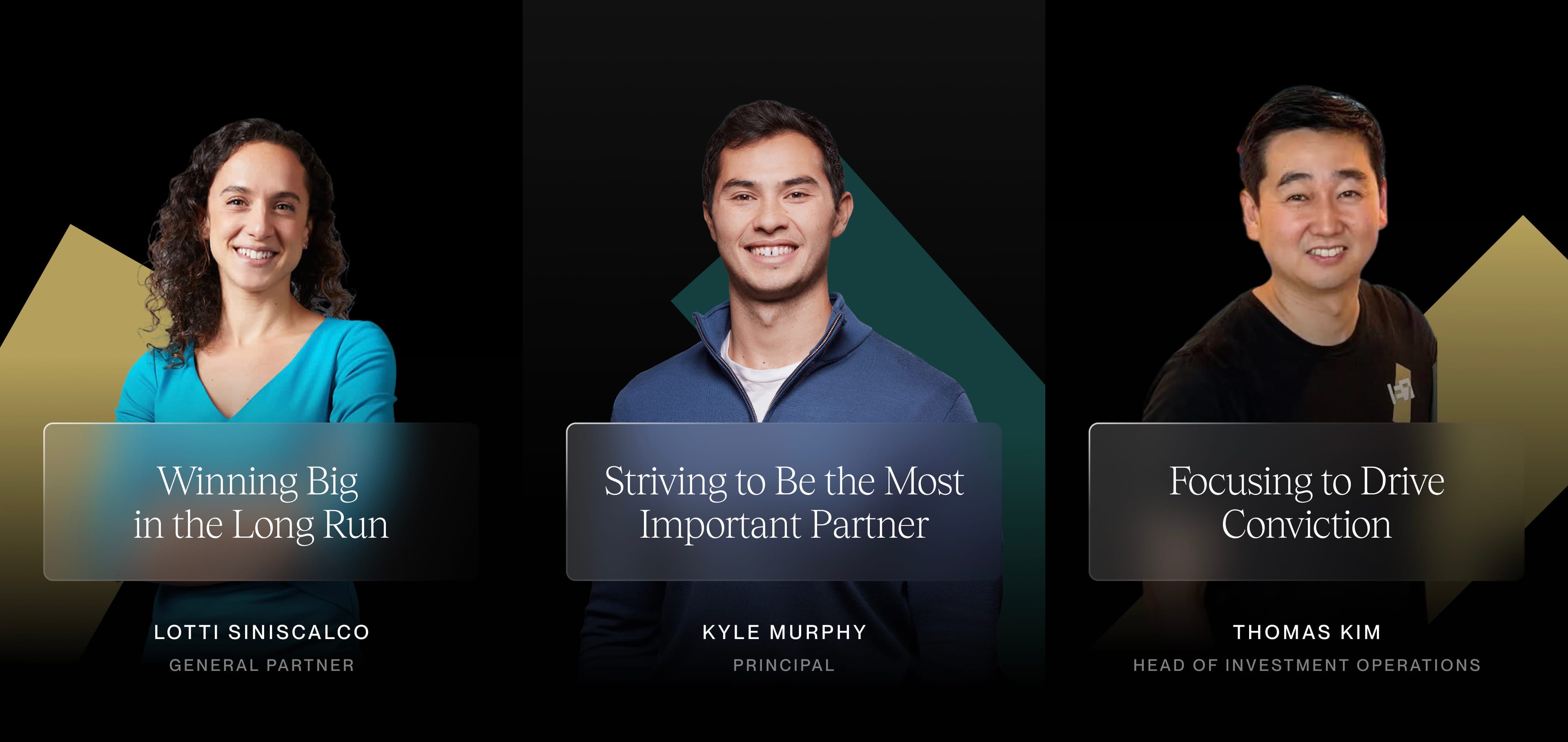
The backdrop for these team changes is a market that’s changing at a faster pace than ever before. AI products are being tested in real environments, under real constraints, with less patience for iteration theater. What used to be forgiven as “early” now shows up as fragility. In moments like this, teams and operating discipline matter more than ever.
We congratulate Lotti, Kyle, and Thomas on these well-earned next chapters. Read our full announcement to learn more about their roles and how they exemplify Emergence values.
From the Bench: New Ideas & Insights

Playing on Hard Mode
Venture loves the myth of meritocracy. Lotti Siniscalco’s latest essay cuts through it. Drawing from her own journey as a first-generation immigrant, Lotti writes about founders who build without a safety net, navigating invisible systems while trying to create something meaningful. These are the teams playing on “hard mode,” where failure carries higher stakes and resilience isn’t optional. It’s a clear articulation of why Lotti is drawn to founders with something to prove. And why immigrant founders, especially in AI, often see opportunities others miss.
The Rise of “Build With”
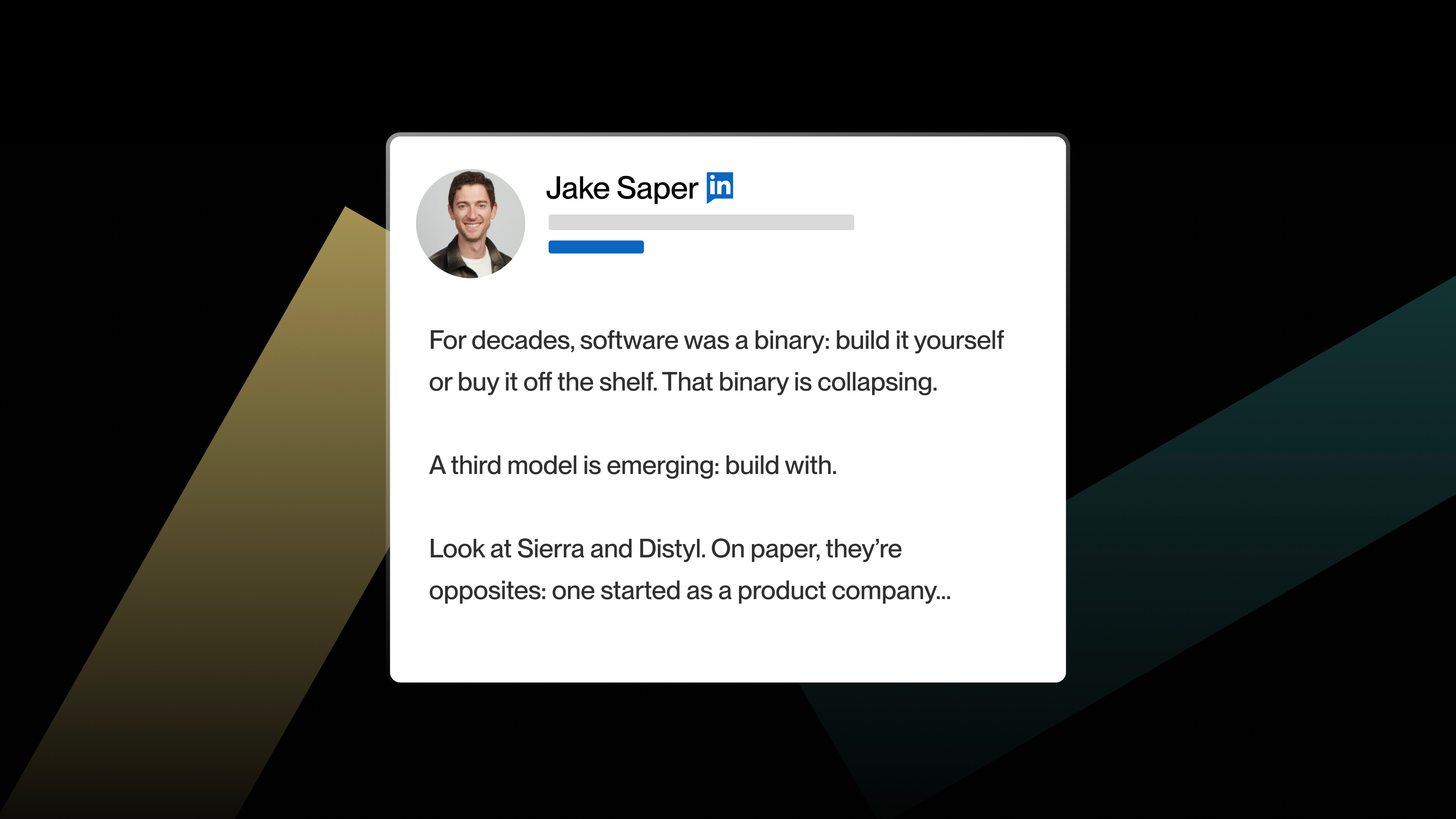
The old software binary is breaking down. It’s no longer just build or buy. In a recent post, Jake Saper lays out why a third model is taking hold in enterprise AI: build with. Companies like Sierra and Distyl are pairing a strong product core with forward-deployed engineers who adapt it to the realities of each customer’s environment. Jake breaks down why this model is emerging now, from shifting budgets to collapsing customization costs to enterprise buyers’ low tolerance for risk. He also makes the tradeoff explicit: build-with can be a durable business model, but only if founders are disciplined about turning custom work into differentiated product.
Valuations Are Not a Marketing Tool
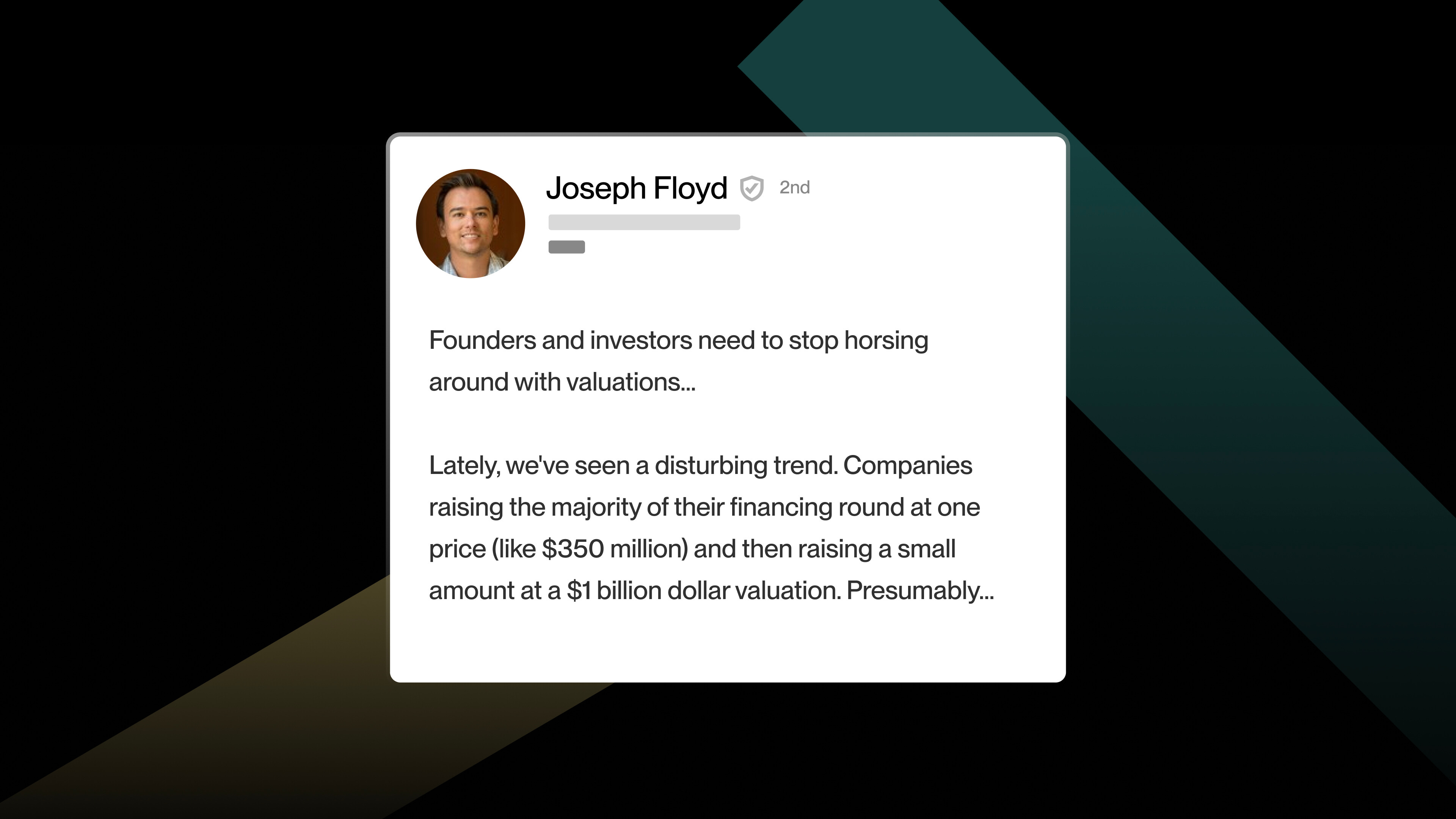
Joe Floyd takes aim at a trend he’s seeing more often: companies engineering “unicorn” headlines by raising most of a round at one price, then tacking on a small check at a dramatically higher valuation. These inflated headline valuations can distort option pricing, create friction in future fundraising, and leave employees with unrealistic expectations about the value of their equity. What feels like a short-term win can quietly create long-term damage.
Emergence in the Wild: Catch us in the news or at events
Arcee Pushes the Frontier of Open Models
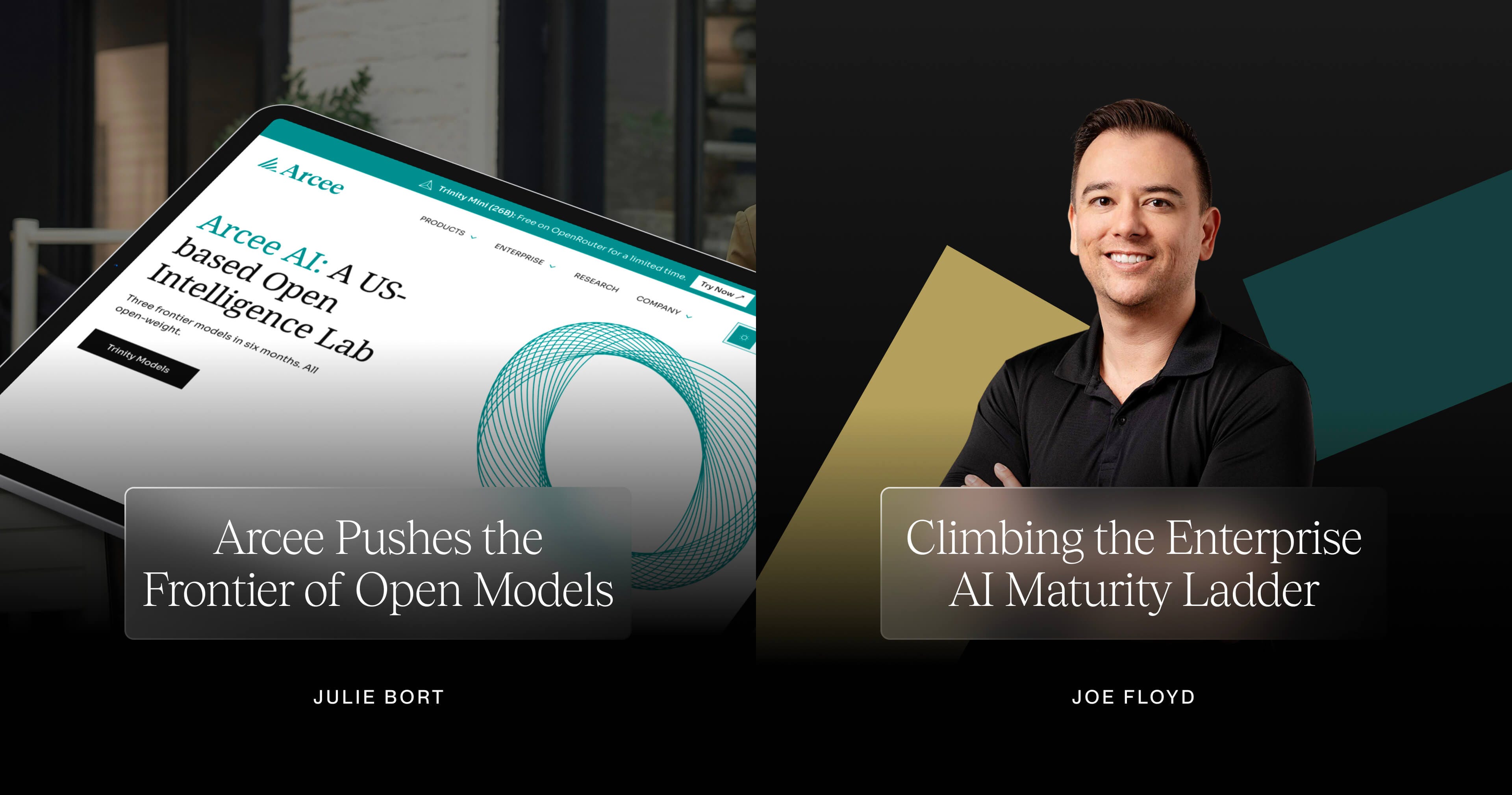
Emergence portfolio company Arcee has released Trinity Large, one of the largest open-weight models ever trained and released by a U.S. company. The launch comes at a pivotal moment for open AI, as global adoption and performance leadership in open models have increasingly shifted overseas over the past year. In a TechCrunch exclusive, Julie Bort covers the release and the significant benchmark results behind it, examining what Trinity Large signals for the future of open, transparent AI. In a world dominated by Chinese models, the US can now meaningfully compete, Joe Floyd writes.
Climbing the Enterprise AI Maturity Ladder
What happens after the initial excitement fades and AI meets the realities of scale? Early pilots are easy to launch. Making AI dependable inside a large organization is much harder. In a recent Fast Company piece, Joe Floyd introduces a maturity framework that helps leaders see where their AI efforts truly stand and what’s required to advance. The article focuses on how organizations evolve from experimentation into sustained execution, and why progress depends on capabilities that hold up under real-world complexity.
Thanks for reading Surfacing. Want more insights like these in your inbox?
See you next month with more ideas, stories, and moments from across the Emergence ecosystem.