

Turning broken systems into transparent infrastructure.
AI startups are everywhere, and, increasingly, there’s a grand schism of opinions separating them: lofty promises on one side, doomsday predictions on the other. It’s easy to lose sight of the real impact of the technology amidst this noise.
The simple truth is this: good AI makes daily life easier. And two Emergence portfolio companies, Casap and Cline, are doing just that—building AI tools to tackle the roadblocks many of us have experienced. Casap aims to make payment disputes less of a pain for both consumers and financial institutions, while Cline is increasing transparency in service billing to democratize coding tools.
This month, both companies announced Series A funding rounds led by Emergence.
On the surface, fintech and developer tooling are very different markets. But these companies have a similar goal—they’re using AI to increase consumer trust in systems that sorely lack it, making life markedly easier for its users in the process.
Casap: Taking the pain out of credit card disputes
No one wants to spend hours on the phone disputing a fraudulent credit card charge—including the bank. Today, dispute resolution is a sluggish, manual process that can often take up to 90 days. The reason for the lengthy timeline? Disputes aren’t always filed truthfully. First-party fraud, when users defraud their institutions, has grown 2.5x year-over-year and now represents over 35% of all losses—a staggering $100B+ problem.
Casap is rebuilding the broken dispute process using intelligent automation. But converting financial institutions into paying customers requires deep empathy and extensive compliance knowledge. Casap founders Shanthi Shanmugam (Robinhood, Meta) and Saisi Peter (Chime, Instacart, Meta) have both, which is one of many reasons we led Casap’s $25M Series A. Shanthi and Saisi have managed to transform dispute operations from a lengthy, risk-prone process into one that is trustworthy, data-driven, and efficient.
The results are impressive: Casap customers have cut first-party fraud losses by up to 51% while processing disputes 50% faster, dramatically improving bank member satisfaction.
Cline: Proving that developer-first principles can scale
Developers love AI coding assistants, but they’re increasingly frustrated by opaque pricing. When Anthropic quietly added usage limits to Claude Code in July, users were dismayed, thinking their usage had been inaccurately tracked.
These sudden pricing changes and hidden restrictions are emblematic of the challenges Saoud Rizwan aims to solve with Cline, an open source AI coding agent that gives developers full transparency and control. Saoud and his team at Cline are proving that developer-first principles can scale into enterprise-ready infrastructure. Cline is a welcome entrant for many developers.
Saoud first developed Cline during an Anthropic hackathon in 2024. Less than a year later, the platform has 2.7M installs, 50K GitHub stars, and has been adopted by enterprise teams at Samsung and SAP.
Cline is transparent by design: Developers pay AI tool providers—like Google or OpenAI—for the cost of running models, and Cline shows them a full breakdown of the cost for each. Because Cline is open source, developers can see their usage and exactly how they’re being billed, so they have more freedom to choose whichever model they want for a specific task.
Beyond model transparency and open source infrastructure, Cline was built for agentic workflows. After reading a developer’s codebase, it asks clarifying questions, plans multi-step actions, and navigates real-world development environments. Saoud and his team designed these agents to approach a problem like a real engineer would.
We led Cline’s $27M in Series A funding because their approach isn’t just about giving developers a cheaper option—it’s about giving them trust and control in high-stakes coding environments.
“Cline is open source, so you can kind of peek into the guts of the harness and kind of see how the product is interacting with the model, which is incredibly important for having control over price transparency,” Saoud told Forbes.
From the bench: New ideas & insights
When AI apps start to look like infrastructure
Read the post →
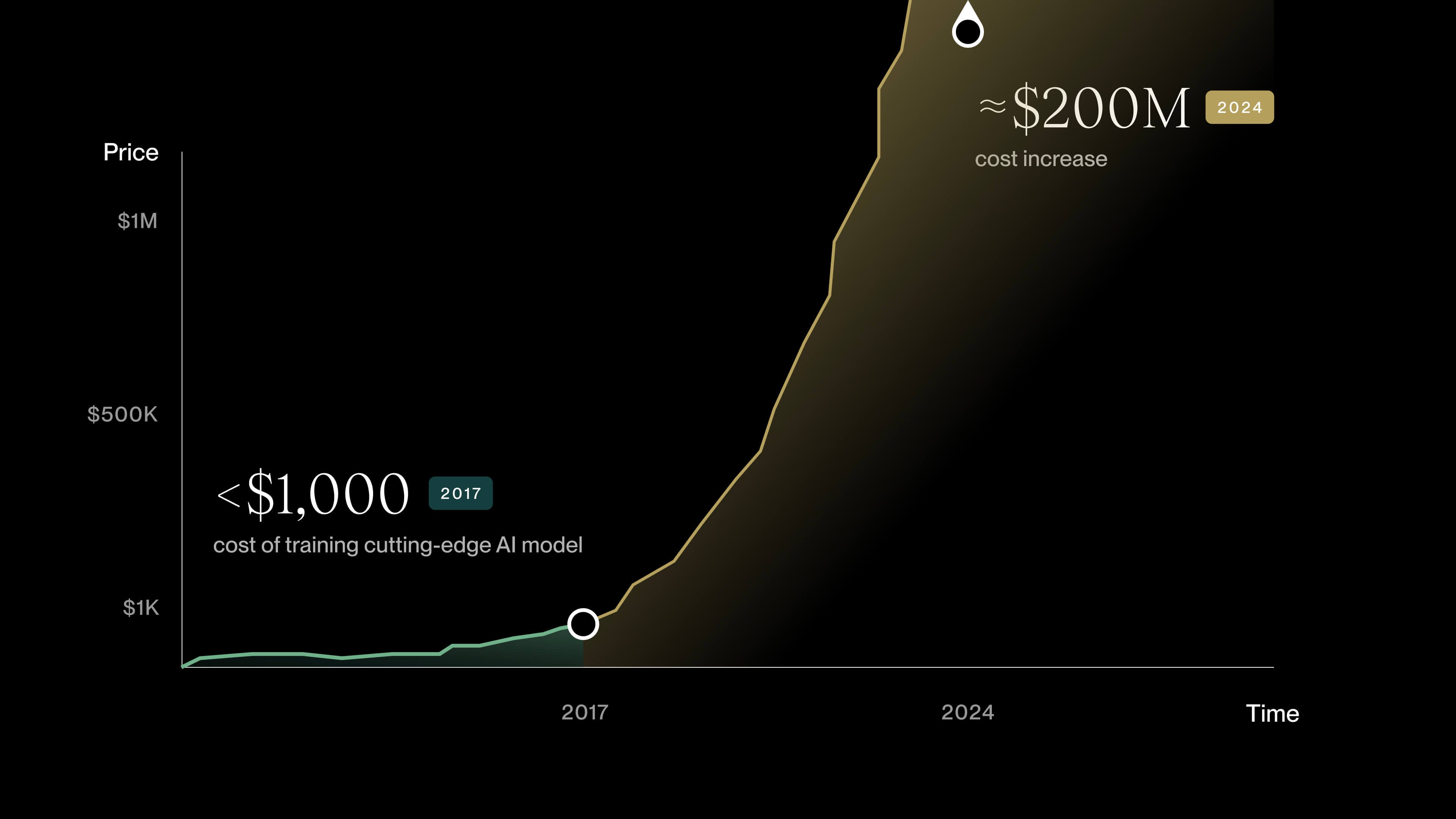
Yaz El-Baba discusses why the line between apps and infrastructure is disappearing. He dives into why winning AI teams today aren’t just using models, they’re building infrastructure to adapt, optimize, and stay ahead of the AI frontier.
AI is reshaping the B2B GTM motion
Read the post →
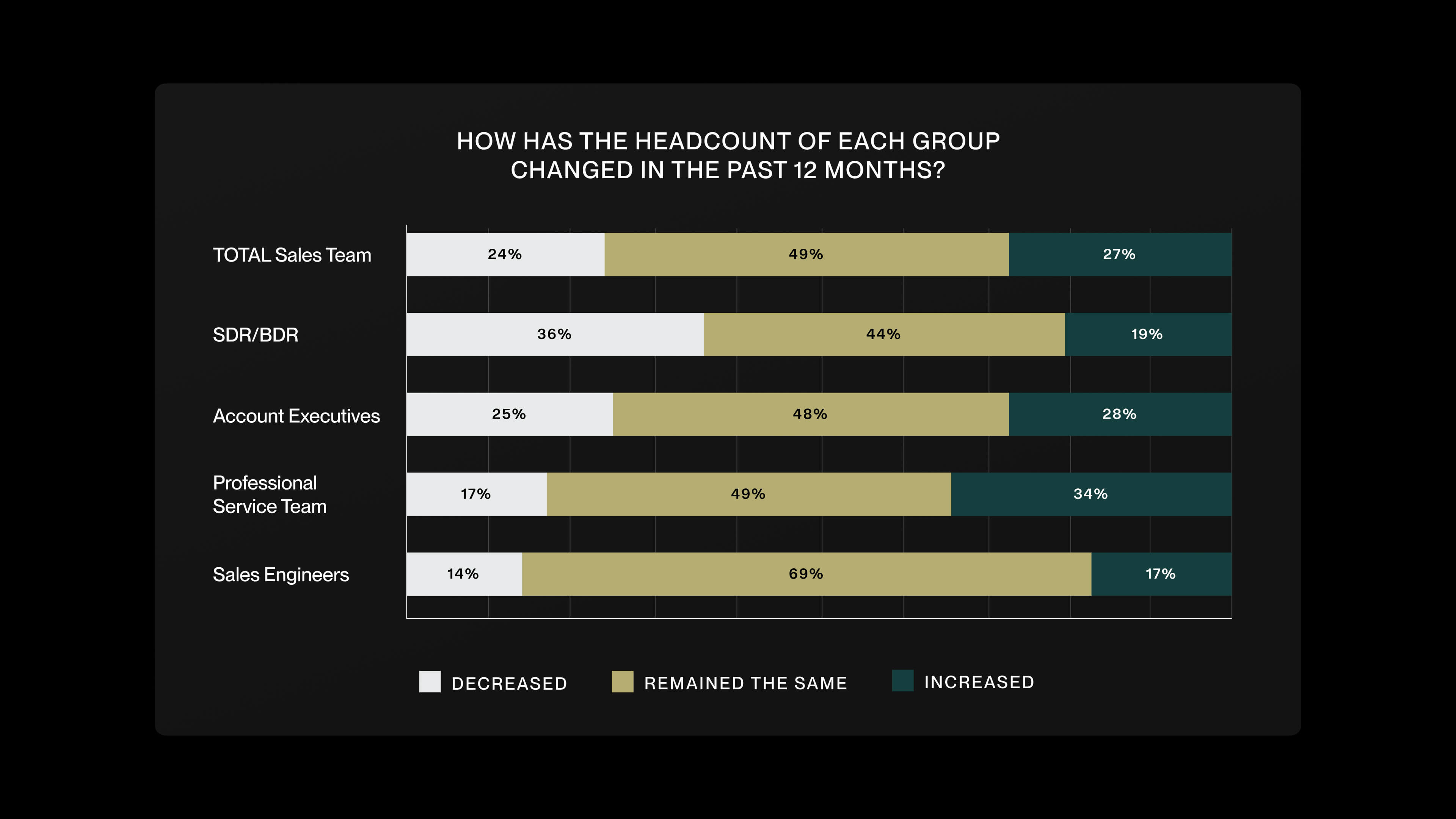
Jake Saper shares insights from our Beyond Benchmarks report on how AI-native workflows are changing sales orgs from shrinking SDR teams to the rise of forward-deployed engineers.

Should immigrant founders build in the U.S.?
Read the post →
Lotti Siniscalco reflects on why AI founders targeting American customers should consider building here, and the personal tradeoffs that come with that choice.
Emergence in the wild: Catch our partners at these upcoming events

Santi Subotovsky is wearing many hats at TechCrunch Disrupt in San Francisco. On October 27, he’ll take the stage with Zoom founder Eric Yuan to explore what comes after breakout success. He’ll also lead a breakout session with Melissa Wong, Zipline’s CEO and cofounder, on the founder journey. On October 28, he’ll judge the Startup Battlefield competition, where the world’s top early-stage startups compete for global recognition. Register here to attend.
Thanks for reading Surfacing. Want more insights like these in your inbox?
See you next month with more ideas, stories, and moments from across the Emergence ecosystem.